
Explore Lincoln National Forest by OHV—Responsibly
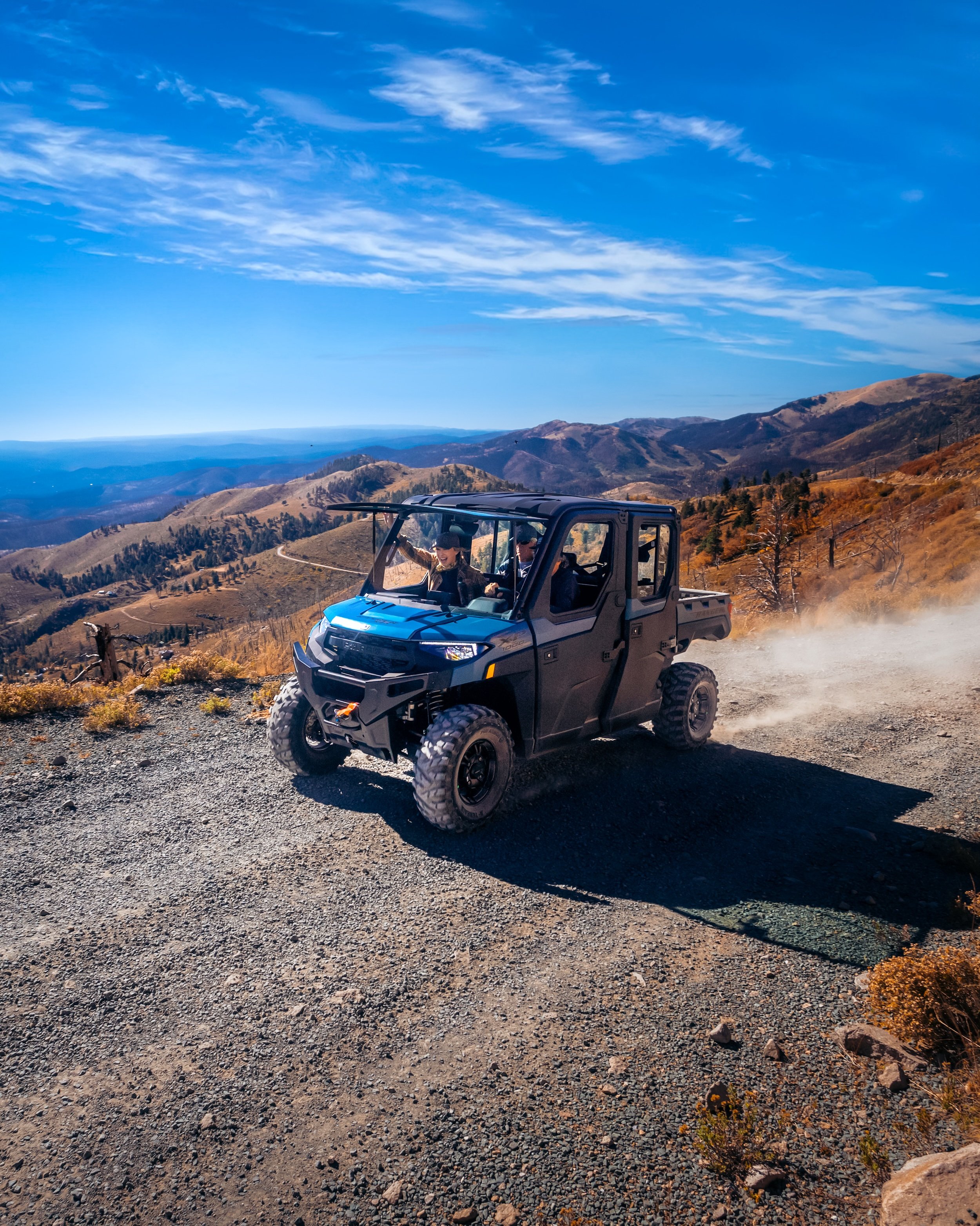
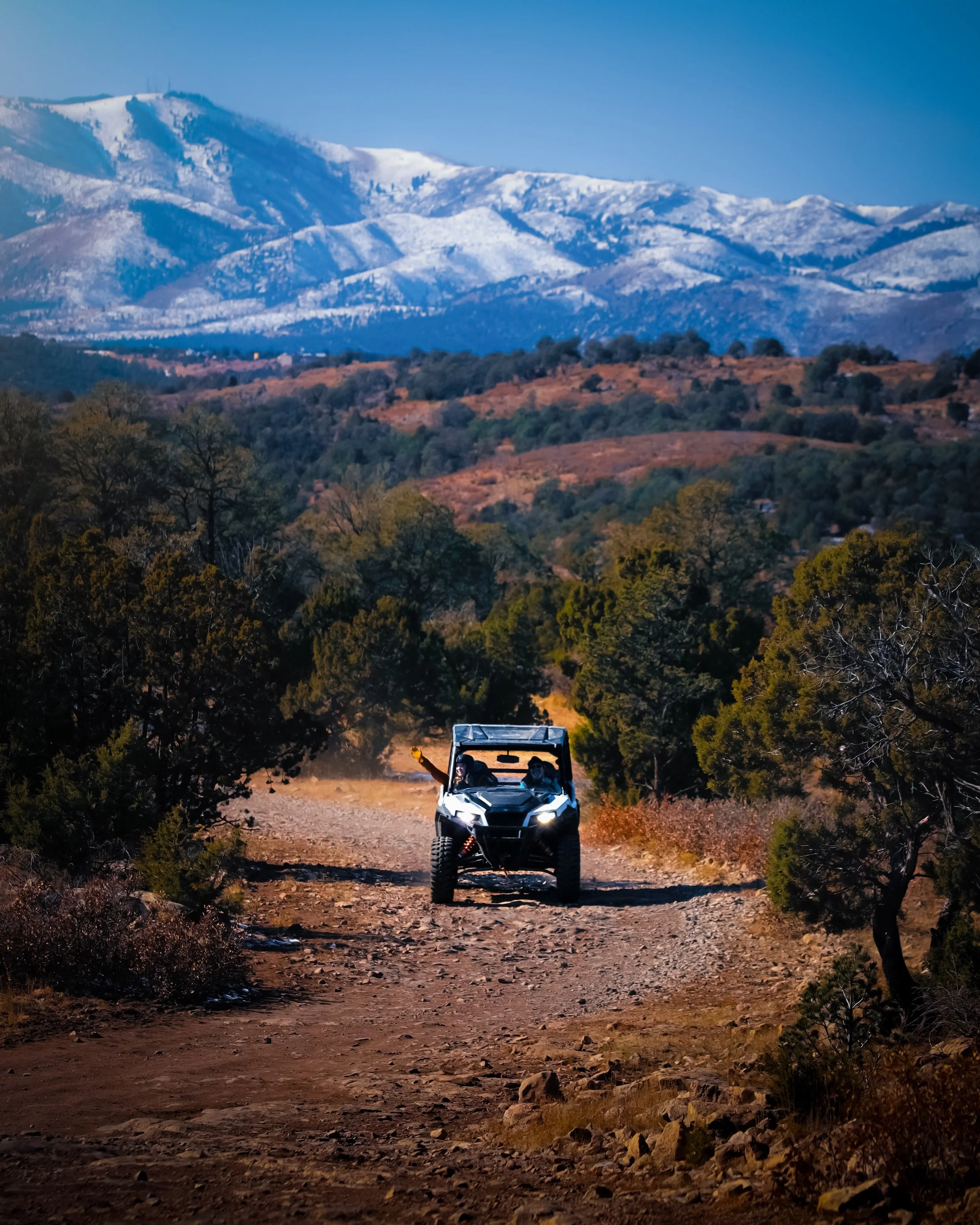
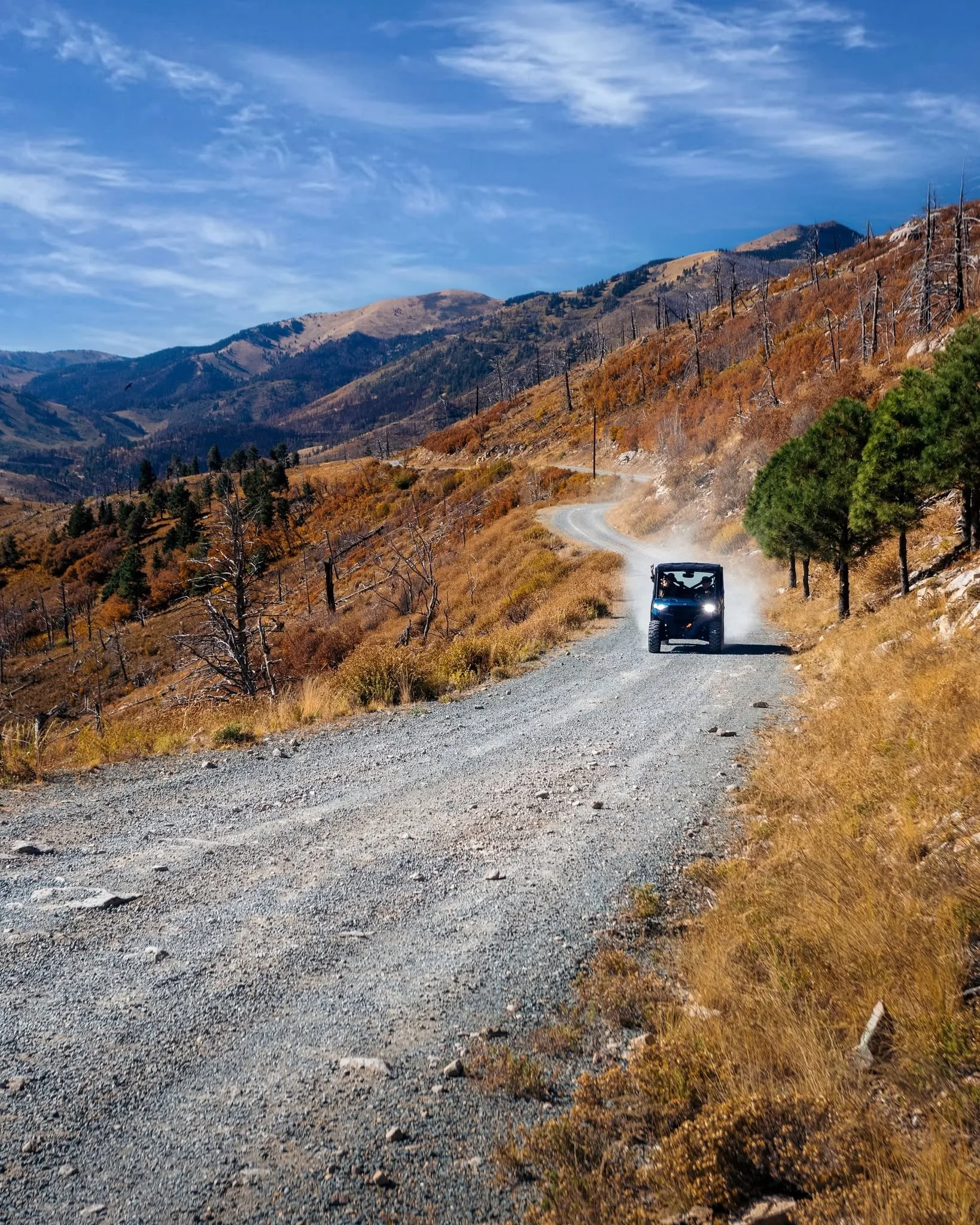
Exploring Lincoln National Forest by Off-Highway Vehicles (OHV) offers a unique way to experience the Sacramento Mountains, with miles of designated routes open to highway-legal vehicles, ATVs, UTVs, and dirt bikes. Riders can access scenic forest roads and trails while enjoying the area’s natural beauty.
To help protect these landscapes and keep routes open, all motorized travel must remain on designated routes.
Riding in Ruidoso Before You Reach the Forest?
Village streets and Lincoln National Forest roads and trails are governed by different rules. For an overview of OHV recreation in the area, visit the Ruidoso OHV Riding Guide. For current requirements for operating qualifying recreational off-highway vehicles on Village streets, review the Village of Ruidoso OHV Rules.
Know Before You Go
The Motor Vehicle Use Maps (MVUM) are the authoritative source for determining where motorized travel is permitted in Lincoln National Forest. Review the current Lincoln National Forest OHV information before heading out. Motor Vehicle Use Maps identify:
Roads and trails open to motorized vehicles
Vehicle types allowed on each route
Seasonal access restrictions
OHV Registration & Permits — Registration and permit requirements vary by residency and vehicle use. Check current requirements before riding: New Mexico Residents | Nonresident Permits
Questions? Contact the Lincoln National Forest Supervisor’s Office at 575-434-7200 or SM.FSPAO.LNF@usda.gov.
Plan Your Ride
Lincoln National Forest offers a wide range of riding opportunities. By checking current information, staying on designated routes, and riding responsibly, visitors can enjoy the forest while helping protect the landscape.
Start with the Ruidoso OHV Riding Guide for an overview of OHV recreation, Village street guidance, local experiences, and responsible riding resources.
Plan your Lincoln National Forest OHV adventure with current Forest Service information.
Check Lincoln National Forest conditions and alerts before heading out for current closures, restrictions, and access information.
Review the Motor Vehicle Use Map (MVUM) to confirm which roads and trails are designated for motorized travel.
Planning ahead and preparing for changing mountain weather will help make your OHV adventure safer, more responsible, and more enjoyable.
Stay on Designated Routes
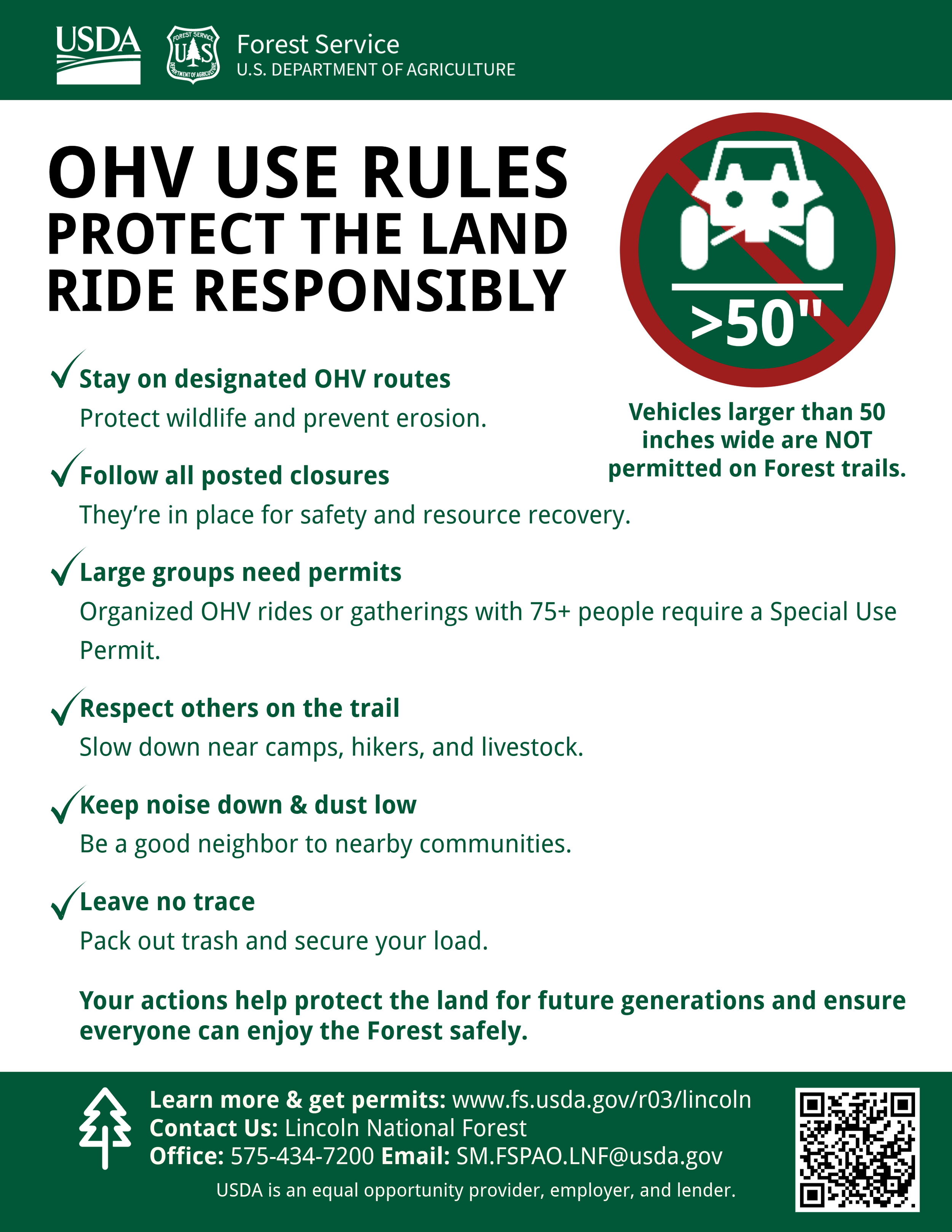
Staying on designated routes is essential to protecting Lincoln National Forest’s natural resources and maintaining access for all users.
Motor vehicles are only permitted on designated roads, trails, and areas identified on each district’s Motor Vehicle Use Map (MVUM). Traveling off designated routes can cause lasting damage to forest resources and is prohibited.
Visitors should also remember:
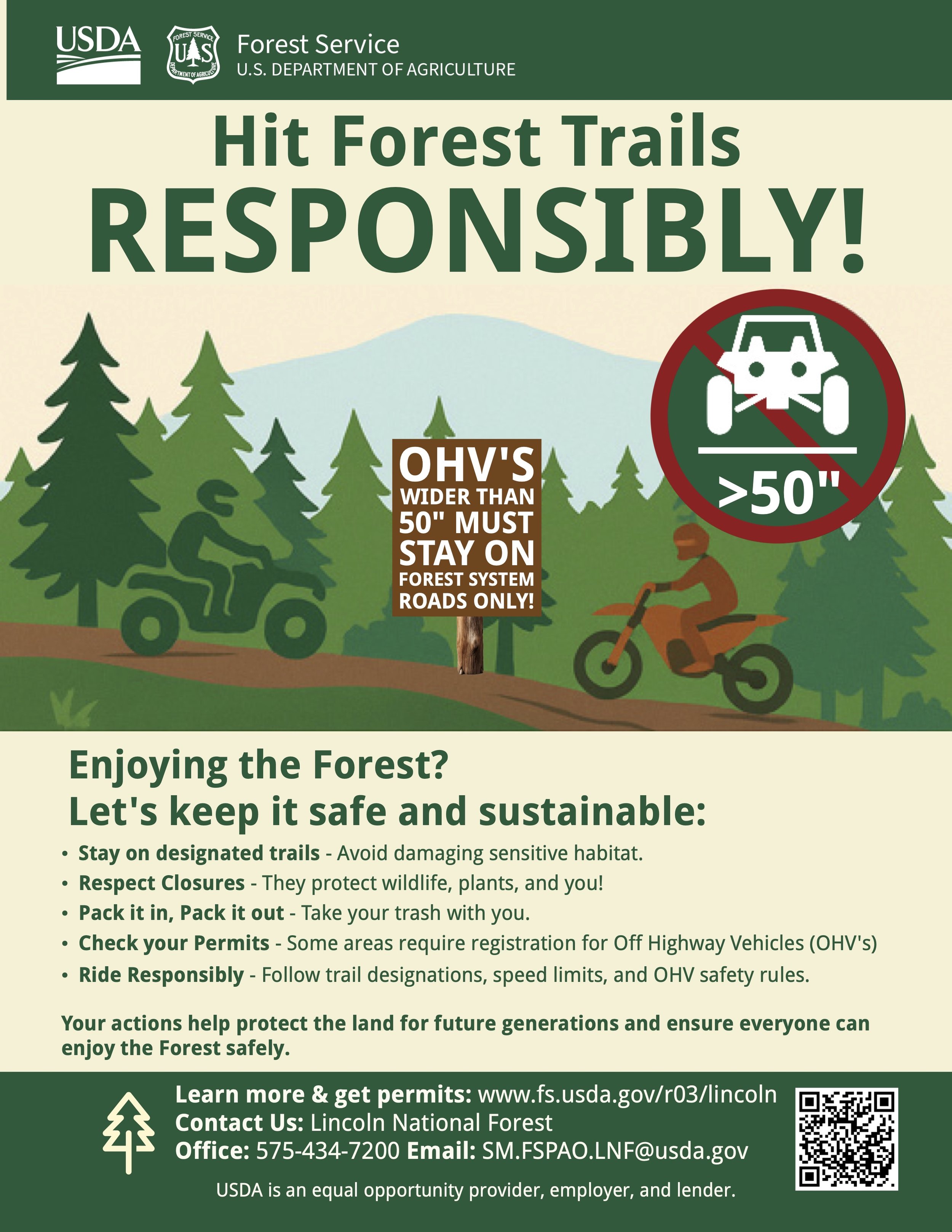
Know your vehicle width. Lincoln National Forest has no trails open to OHVs over 50 inches wide, although many Forest Service roads allow all types of OHVs. Always check the MVUM to confirm where your vehicle is permitted.
Groups of more than 75 people participating in organized rides or gatherings must obtain a Special Use Permit.
Stay on designated routes and never create new roads or tracks.
Do not drive through streams or rivers.
Slow down around camps, hikers, wildlife, and livestock.
Help reduce dust and noise near neighboring communities.
Pack out all trash and leave recreation areas cleaner than you found them.
Follow all posted closures and restrictions.
Visitors operating motor vehicles off designated routes or entering closed areas may be subject to fines.
Find Designated OHV Routes
Motorized access varies by road, trail, vehicle type, season, and current forest conditions. Before choosing a route, use the Lincoln National Forest Motor Vehicle Use Map (MVUM) to confirm that your vehicle is permitted.
The MVUM identifies designated motorized roads and trails, allowable vehicle types, and seasonal restrictions. Many Forest Service roads accommodate OHVs wider than 50 inches even though Lincoln National Forest trails do not.
Dispersed Camping with an OHV
Planning to combine your ride with dispersed camping? Lincoln National Forest allows dispersed camping in many areas, but motorized access remains regulated.
Visitors may disperse camp up to 300 feet on either side of an open road or trail unless the area is restricted by a closure order. Motor vehicles may leave a designated road or trail only to access a dispersed camping location for unloading gear and supplies. No additional off-road motor vehicle travel is permitted.
When dispersed camping:
* Use existing campsites whenever possible.
* Follow all posted closures and restrictions.
* Keep your campsite footprint small.
* Pack out everything you bring in.
* Never leave a campfire unattended.
Before leaving a campfire, completely extinguish it using the Forest Service’s drown, stir, and feel method. If it is still hot, repeat the process.
Ride Responsibly
Help ensure a safe and enjoyable experience for everyone by following these guidelines:
Ride only on designated routes.
Observe posted signs, restrictions, and closures.
Do not create new roads or tracks.
Do not drive through streams or rivers.
Yield to non-motorized trail users.
Slow down around camps, hikers, wildlife, and livestock.
Ride at a safe and appropriate speed.
Keep noise and dust to a minimum.
Pack out all trash and belongings.
Responsible recreation helps protect wildlife, water, forest resources, and continued public access for future visitors.
Reporting Concerns
If you observe unsafe or unlawful activity:
• Call 911 in case of emergency
• Contact a local Lincoln National Forest ranger district office to report resource damage or off-route travel
Timely reporting helps forest staff respond and protect affected areas.